


Mist: Offline Zombie Survival
4.41.37K Reviews
App Specs
- Version
- 1.8.13
- Updated On
- License
- Free
- Downloads
- 1,000,000+
- Developer
- Euphoria Horror Games
- Categories
- Role Playing
- Platform
- Android
Screenshots
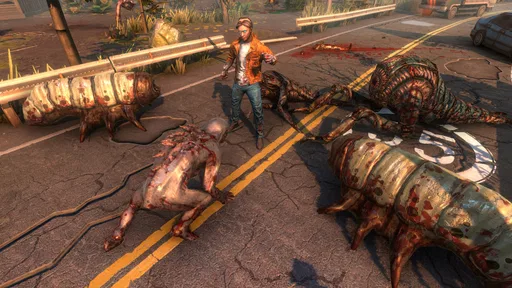
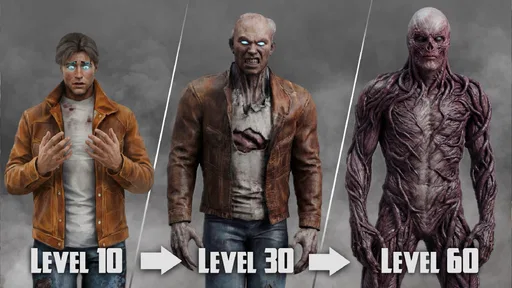
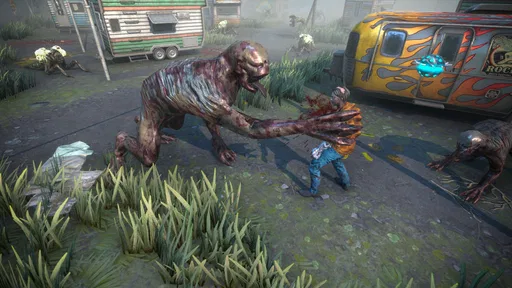
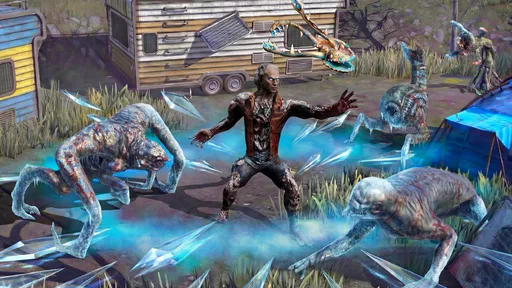
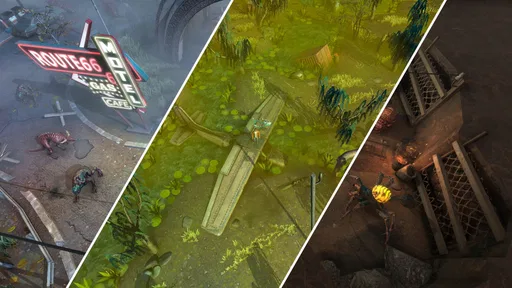
 Analysis by AppCompare
I first approached Mist: Offline Zombie Survival as something to play in short, disconnected sessions, but it quickly felt more demanding than a typical mobile zombie game. It is a role-playing game from Euphoria Horror Games that puts survival pressure ahead of relaxed progression. The setting is bleak, the mood is deliberately uncomfortable, and every decision feels more important because there is no online world to distract from the struggle.
That offline focus is the main reason I would recommend it to some players and not to others. I can pick it up when travelling, waiting somewhere, or using a device with unreliable connectivity, and the experience still makes sense. At the same time, it is not a good fit for someone expecting a cheerful, social, always-connected adventure. The Mature 17+ rating is also important in a shared household, especially when several people use the same phone or tablet.
How Mist feels in everyday play
In my experience, the best way to understand this game is as a tense survival routine rather than a simple sequence of zombie fights. You enter a damaged world, look for ways to stay alive, and learn to treat each encounter as a possible setback. The role-playing structure gives the experience more weight than an arcade shooter, while the horror atmosphere makes ordinary exploration feel unsafe.
I can imagine playing it on a train with airplane mode enabled, during a long appointment, or at home when the internet is down. That is where the offline design becomes genuinely useful. There is no need to wait for a connection before starting a session, and the game’s identity does not depend on other players being online. For me, that makes it easier to fit into irregular spare time than many multiplayer survival games.
A realistic household example would be a shared tablet used by one adult in the evening and a teenager later in the day. The adult may enjoy the grim atmosphere and slower survival decisions, while the younger user may be attracted by the zombie theme without fully understanding the mature tone. In that situation, I would not treat the game as a casual family title. The device may be shared, but that does not make the content suitable for every person using it.
The game also benefits from being played with patience. I found that rushing into every dangerous situation is less satisfying than observing what is happening, considering the likely cost of failure, and deciding whether the immediate reward is worth the risk. That habit is one of the more interesting role-playing elements here: survival is not only about reacting quickly, but also about managing uncertainty.
Why the offline design matters
Offline play changes the practical value of Mist. A game that needs a constant connection is difficult to recommend for commutes, travel, older devices used away from home, or places where mobile data is expensive. This one is built around the opposite assumption. I can start it for a focused session without making the game part of a larger online routine.
Worth Reading Before You Choose

EA SPORTS FC Mobile 26 Is a Bigger Football Game, but It Takes Time

Flipboard Shows What News Apps Must Do Beyond the Feed

Switching to Android Auto Means Rethinking Your Driving Routine

Google Calendar Makes a Crowded Week Easier to Manage

Ludo King Makes the Most of the Minutes Between Plans

Baby Panda World Brings Quick Play to Modern Phones, but Its Game Library Feels Busy
There is a trade-off, though. Players who enjoy live events, competitive rankings, cooperative missions, or chatting with a community will probably find the experience limited compared with connected survival games. The isolation is part of the appeal, but it also means the game cannot provide the social energy of a multiplayer alternative. I would choose Mist for solitary atmosphere, not for shared progression.
That distinction is useful when deciding whether to install it on a family device. If several people want to take turns with the same game, the offline nature makes that technically convenient in the broadest sense, but it does not create separate household spaces or shared coordination by itself. I would keep expectations modest and agree in advance who is using the device and when, rather than assuming the game will organize that arrangement for me.
Learning the survival rhythm
The opening hours are easier to appreciate if I treat them as a learning period instead of trying to master everything immediately. The environment communicates danger through mood and pressure, so I pay attention to what costs resources, what creates unnecessary exposure, and which decisions leave me with fewer options later. That approach is more productive than repeatedly making the same aggressive choice and hoping the next attempt works.
One practical tip is to avoid playing while distracted. A short session can still require concentration, especially when I am deciding whether to continue exploring or protect what I have already gained. If I am interrupted by household chores, a phone call, or another person needing the shared device, I would rather finish at a sensible stopping point than leave a risky situation unresolved.
Another useful habit is separating curiosity from necessity. The game encourages me to investigate the ruined world, but not every interesting direction is equally wise at every moment. I get more from the experience when I ask whether an action improves my position or merely satisfies my impulse to see what is beyond the next threat. That small change in mindset makes the survival theme feel more convincing.
Shared devices, boundaries, and coordination
For a shared Android device, the first question is not whether the game is easy to install. It is whether everyone who might encounter it understands what kind of content it contains. Mist is free to download, but free access should not be confused with family suitability. The mature classification is a meaningful part of the decision, particularly when a parent, partner, or sibling shares the same screen.
I would set a clear boundary before installing it on a household tablet: this is an individual horror role-playing game, not a general entertainment app for children. That conversation matters more than simply placing an icon in a folder. A younger family member may see the zombie artwork or title and assume it is harmless, while the actual atmosphere is intended for older players.
There is also a practical account boundary to consider. I would avoid assuming that progress, preferences, or purchases will naturally remain separate just because different people take turns using one device. If the device belongs to several people, the safest routine is to decide who owns the play session and who is responsible for any store confirmation before the game is used. That is especially important because optional purchases range from $0.99 to $134.99 per item.
I do not see that price range as a reason to reject the game automatically, but it is a reason to be deliberate. A free entry point can make a title feel harmless on a shared device, while purchase decisions still deserve adult attention. I would keep payment authentication under the account holder’s control and explain that “free” describes access, not every possible transaction inside the experience.
Coordination is simpler when the household agrees on a schedule. For example, one person could reserve the game for evening sessions, while another uses the tablet for school or communication. This may sound ordinary, but it prevents a common shared-device problem: someone opening a game for a quick turn and unexpectedly taking over the device during another person’s planned use.
The offline structure helps here because nobody needs to coordinate a live match or wait for a group. I can play alone, stop, and return later without asking friends to be available. That makes Mist easier to fit around household routines than a cooperative survival title. However, it also means there is no built-in social reason for family members to play together. Coordination has to happen between people, not through the game.
Age context and trust
The Mature 17+ label should shape where and how this game is used. I would not hand it to a child simply because the device is already in their hands, and I would not rely on the absence of internet interaction as proof that the content is appropriate. Offline does not mean child-friendly. The horror setting remains the central experience even without online communication.
For an adult player, the rating is useful context rather than a surprise. If you already enjoy bleak zombie fiction and uncomfortable survival scenarios, the tone is likely to be part of the attraction. If you dislike horror imagery, oppressive settings, or games that make progress feel fragile, the mature classification is a warning to look elsewhere. I would choose a lighter role-playing game for a family game night.
Trust also matters when several people use one account. I would not let younger household members make independent decisions about purchases, and I would explain that the game is being installed for an adult’s use. This is not a criticism of the developer; it is simply a sensible way to handle mature entertainment on a device that does not belong to one person alone.
For adults sharing a device, the issue is less about age and more about expectations. One person may enjoy the grim atmosphere while another finds it unpleasant or distracting. I would use headphones where appropriate, avoid playing in a common room if the visuals might upset someone, and remember that a private preference can still affect other people nearby.
How it compares with familiar alternatives
Compared with online zombie games, Mist feels more personal and less dependent on a service or community. I prefer it when I want a self-contained challenge that works away from a stable connection. An online alternative is better when I want cooperative planning, competitive goals, frequent social contact, or a constantly changing shared world.
Compared with casual action games, this title asks for more emotional commitment. A casual game is often designed around quick rewards and easy interruptions. Mist is more convincing when I give it enough attention to absorb the atmosphere and think through survival choices. If I only have a few seconds between tasks, a simple arcade game may serve me better.
It also occupies a different space from story-heavy role-playing games with elaborate dialogue and large social systems. Here, the appeal is the pressure of surviving in a dead world, not the comfort of a busy cast or a bright fantasy setting. Players who want deep character conversations, extensive customization, or a relaxed adventure may prefer a conventional role-playing game instead.
The strongest comparison is therefore not about which game is universally better. It is about the kind of attention I want to give. Mist works when I want solitude, danger, and an offline survival mood. Another title is a better choice when I want teamwork, a gentler tone, or a game that can be passed casually around a family.
Performance, updates, and value
The current version is 1.8.13, and the game supports Android 7.0 or later. That makes it accessible to a range of Android devices, although compatibility on paper does not guarantee that every older phone will feel equally comfortable during play. I would still install it on the device intended for regular use rather than assuming that an older shared tablet will provide the best experience.
The game has passed one million installs and holds a 4.4 average from around fifty-three thousand ratings, with roughly one thousand four hundred written reviews. Those figures suggest that the concept has found a substantial audience, but they do not replace personal taste. A popular horror survival game can still be wrong for someone who wants bright visuals, social play, or a completely purchase-free experience.
Because access is free, trying the basic experience is less financially demanding than buying a premium role-playing game upfront. The trade-off is the presence of optional purchases, with individual items reaching a high price point. I would evaluate the game based on how enjoyable the free progression feels before considering any spending. If the core loop does not hold my attention without purchases, paying more is unlikely to solve that problem.
One of my more useful rules for this kind of game is to wait until I understand the survival rhythm before spending anything. Early frustration can make an item look necessary when the real issue is unfamiliarity with the game’s risks. I would first learn which choices consistently help, decide whether the atmosphere is worth returning to, and only then consider whether an optional purchase adds genuine convenience.
Who should install it, and who should skip it
I would recommend Mist to an adult who enjoys solitary horror, wants an offline role-playing experience, and is comfortable with a survival game that does not constantly reassure the player. It is especially suitable for people who play during travel or in places where connectivity is unreliable. The ability to return to a grim world without arranging a multiplayer session is a real advantage.
I would skip it if my priority were family-friendly entertainment. The mature rating makes that an unsuitable recommendation for children, even if the game is being installed on a shared device. I would also skip it if I wanted a cooperative zombie adventure, a competitive community, or a light game that can be interrupted without losing the mood.
Players who dislike in-app purchase ranges that can extend to expensive individual items should also approach carefully. The free price makes experimentation easy, but I would not treat the purchase system as irrelevant. A household with several people using the same payment account needs particularly clear rules before anyone begins playing.
For a single adult owner, the decision is simpler. I can install it, test whether the atmosphere works for me, and judge the progression without needing to involve anyone else. For a shared household, the decision includes content boundaries, payment responsibility, and when the game can be played in common spaces.
My household verdict
After spending time with it, I see Mist as a focused choice rather than a universal mobile recommendation. Euphoria Horror Games has built its appeal around isolation, survival pressure, and a world that feels more hostile than welcoming. The offline format gives it a practical advantage, especially for personal play away from home, while the role-playing structure gives the zombie setting more staying power than a quick action game.
My final advice is to treat it as adult entertainment from the beginning. On a private device, it can be a strong companion for quiet sessions, travel, and disconnected play. On a shared device, I would establish who may play, keep purchases under the account owner’s control, and make sure everyone understands the Mature 17+ context.
Mist is worth trying when you want a solitary offline survival challenge, not when you want a communal household game. That boundary captures my opinion best. Its free entry point and broad Android support make testing straightforward, but its dark tone, purchase options, and deliberately isolated design mean that the right player matters more than the size of its audience. If that combination matches your habits, it can become a compelling way to spend a quiet hour. If not, a lighter or more social alternative will be a better use of your device.
Pros
- Fully playable offline
- making it useful during travel or without internet.
- Survival mechanics create meaningful choices around supplies and exploration.
- Zombie encounters reward careful movement instead of constant shooting.
- Compact gameplay sessions suit quick play on mobile devices.
- Atmospheric presentation effectively supports the isolated survival setting.
Cons
- Limited enemy variety may make encounters feel repetitive over time.
- Resource management can become frustrating after failed exploration attempts.
- The bleak visual style may reduce clarity on smaller phone screens.
- Progression may feel slow for players seeking frequent upgrades.
- Offline play means no social features or online cooperative survival.
FAQs for Mist: Offline Zombie Survival
What is Mist: Offline Zombie Survival about?
Mist: Offline Zombie Survival is a post-apocalyptic survival game focused on exploring dangerous environments, collecting useful resources, crafting equipment, and fighting zombies. You must manage your health, supplies, weapons, and shelter while searching for a way to stay alive. The offline format makes it suitable for playing without mobile data or a constant internet connection.
Can Mist: Offline Zombie Survival be played completely offline?
Yes, the game is designed for offline play, so you can generally enjoy its main survival experience without Wi-Fi or mobile data after installation. This is useful when traveling or playing in areas with poor reception. However, internet access may still be required for downloading the game, receiving updates, restoring purchases, or accessing any optional online features included by the developer.
Is Mist: Offline Zombie Survival free to download and play?
The availability, price, advertisements, and optional purchases can vary depending on whether you download Mist: Offline Zombie Survival from Google Play or the Apple App Store. Before installing, check the store listing for current pricing and in-app purchase details. Even when the initial download is free, some items, upgrades, or ad-removal options may require additional payment.
What devices are compatible with Mist: Offline Zombie Survival?
Compatibility depends on the operating system version, device hardware, available storage, and the specific release published by the developer. Older phones or tablets may experience slower loading, reduced visual quality, or occasional performance issues during combat and exploration. It is best to review the official store requirements before downloading and keep enough free storage available for installation and future updates.
Is Mist: Offline Zombie Survival suitable for casual players?
The game can be enjoyed by casual players, but it is built around survival mechanics that may require patience and repeated attempts. Managing resources, learning enemy behavior, exploring carefully, and deciding when to fight or retreat are important parts of the experience. Players looking for a quick, effortless action game may find it demanding, while fans of tense zombie survival gameplay should appreciate its slower progression.


